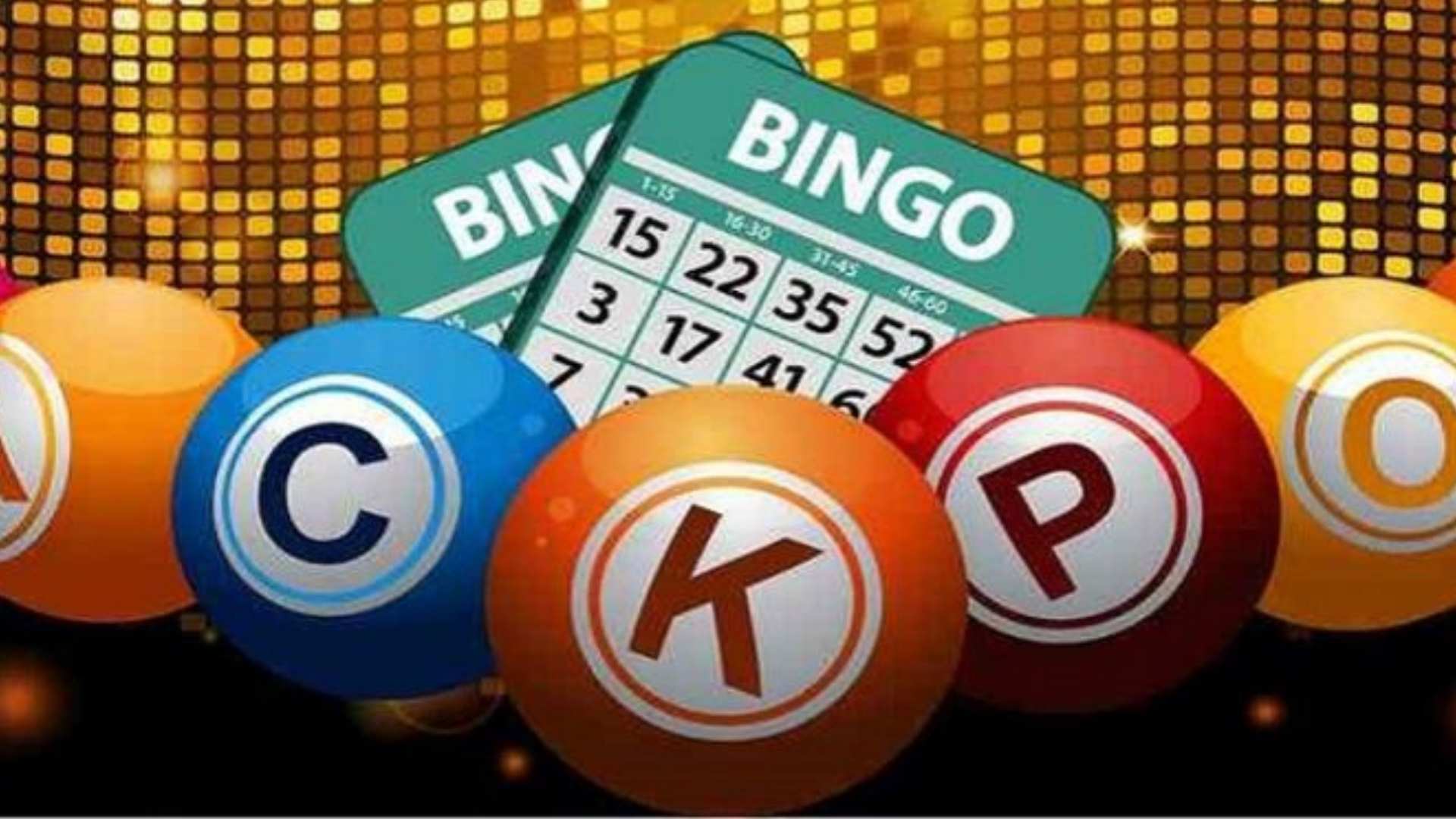
Organizing a successful social gathering requires a balance of entertainment, engagement, and seamless execution to keep participants enthusiastic. Bingo has long transcended its traditional reputation, emerging as a highly versatile and dynamic option for modern community events. By integrating strategic organizational methods, hosts can easily transform a classic game of chance into a memorable experience for everyone involved.
Selecting the Ideal Venue and Environment
The success of any interactive activity depends heavily on choosing an appropriate space that comfortably matches the expected attendance. Organizers should prioritize locations that offer comfortable seating, clear visibility for all participants, and minimal acoustic distractions. A well-prepared setting ensures that every number called is easily heard, maintaining the overall momentum of the session.
Additionally, the setup can be enhanced by considering modern digital integrations alongside traditional physical elements. For those looking to explore reliable platform structures and community gaming trends, visiting M88 indonesia provides excellent insights into contemporary options. Balancing these environmental factors helps build a comfortable space where players can focus fully on the excitement.
Designing Engaging and Diverse Game Formats
To keep a diverse crowd thoroughly entertained, hosts should look beyond standard formats and introduce creative gameplay variations. Incorporating custom themes, unique pattern requirements, or specialized grids can significantly boost participant engagement throughout the night. These subtle adjustments prevent the activity from becoming predictable and encourage friendly interaction among guests.
Furthermore, adjusting the speed of the rounds based on the audience's overall experience level ensures that no one feels left out. Beginners benefit greatly from a steady pace, while seasoned enthusiasts appreciate rapid sessions that test their visual tracking capabilities. Offering a mixture of both styles ensures that all attendees remain interested.
Structuring Incentives and Managing Materials
An effective community event requires careful management of physical materials, including high-quality cards, clear markers, and reliable verification systems. Organizers must inspect their inventory well in advance to avoid sudden shortfalls and ensure smooth transitions between individual rounds. Proper preparation prevents tedious technical delays that could otherwise disrupt the collective energy of the room.
Coupling smooth logistics with an appealing incentive structure gives participants a meaningful goal to look forward to during the game. Sourcing a variety of prizes, ranging from small local tokens to larger sponsored rewards, keeps the stakes interesting without encouraging aggressive behavior. A balanced reward system ultimately reinforces the casual and fun nature of the gathering.
Promoting the Event and Building Anticipation
Reaching a broad audience requires a clear promotional strategy that utilizes both digital word-of-mouth and traditional community bulletin boards. Sharing clear details about the schedule, location, and potential rewards helps generate early interest among prospective attendees. Creating a sense of anticipation ensures a strong turnout and a vibrant atmosphere on the day of the event.
Moreover, providing early registration options can help coordinators predict attendance numbers more accurately before purchasing supplies. Sending out quick reminders through social channels keeps the occasion fresh in the minds of the local community. Effective communication lays the groundwork for shared enthusiasm and a highly interactive experience.