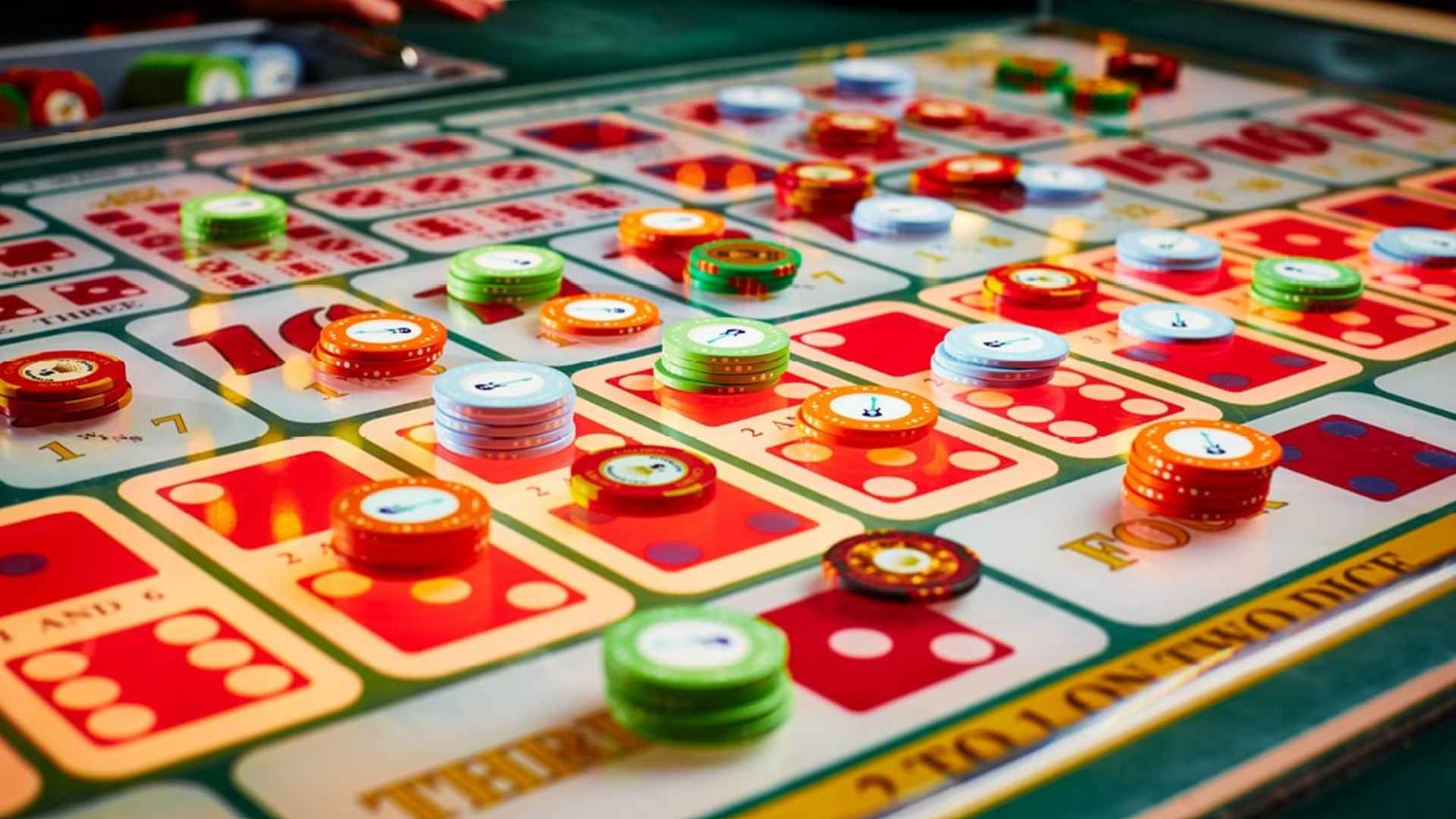
Mahjong is a game that beautifully rewards patience, calculation, and tactical adaptability over long periods of time. While short-term outcomes can sometimes be influenced by the immediate luck of the tile draw, consistent players rely on sustainable habits to secure a high win rate across multiple sessions. Shifting your focus toward overarching game plans allows you to navigate complex table situations with genuine confidence.
Embracing the Core of Tile Efficiency
The foundational step toward achieving sustainable success at the table is learning how to manage your hand with absolute precision. This involves evaluating your starting pieces during the initial deal and charting the fastest mathematical path toward a winning state. Prioritizing versatile consecutive numbers over isolated tiles ensures your layout remains flexible as the match progresses.
Advanced players use structured planning theories to identify which tile groups possess the highest potential to form complete sequences. By removing redundant pieces early in the round, you keep your strategic options wide open for unexpected draws. This systematic approach effectively minimizes critical errors and maximizes your scoring potential over time.
Balancing Defense with Offensive Speed
While building a high-value combination is exciting, preventing your opponents from finishing their hands is just as critical for long-term survival. Developing a strong defensive mindset means recognizing when to abandon your own offensive goals in favor of safety. Tracking recently discarded pieces helps you identify fully secure tiles that guarantee you will not deal into a dangerous hand.
Maintaining an optimal balance between aggressive speed and protective tracking separates average players from true experts. Cultivating these calculated choices helps you preserve your cumulative point balance during difficult rounds. Enthusiasts looking to sharpen these competitive habits often study live table dynamics on platforms like M88 indonesia to boost their ongoing skill development.
Cultivating Psychological Resilience under Pressure
Behind every successful mahjong run lies a complex web of emotional endurance and deep cognitive flexibility. The natural urge to react emotionally after a setback can quickly disrupt your logical foresight and future calculations. Training your mind to view individual losses as neutral statistical shifts helps sustain your focus across long tournament sessions.
Successful competitors treat their hands as evolving puzzles rather than rigid targets that cannot be changed. This mental openness allows you to pivot smoothly whenever table conditions shift unexpectedly. Mastering your internal reactions ensures that you remain calm, responsive, and completely focused until the final tile is drawn.
Developing Productive Daily Practice Habits
Establishing consistent training routines is the absolute best way to boost your visual memory and pattern recognition skills. Devoting a few minutes each day to solitary sorting exercises can train your eyes to spot hidden sequences much faster. Simulating high-pressure scenarios during solo practice rounds builds the cognitive muscle memory needed for live matches.
Analyzing your completed hands after a session helps identify common oversight patterns and recurring choice-making mistakes. Exploring popular regional rulesets from around the world can also broaden your tactical vocabulary. Embracing this continuous learning journey step by step transforms casual play into a deeply rewarding intellectual pursuit.